
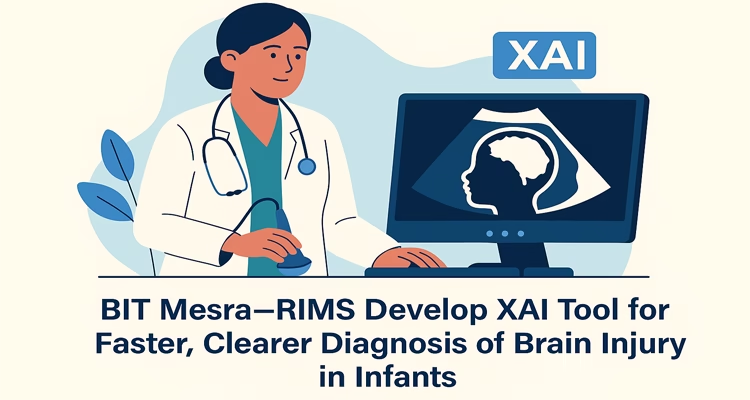
What Is Hypoxic-Ischemic Encephalopathy (HIE)?
Hypoxic-ischemic encephalopathy, or HIE, is a type of brain injury that happens when a newborn’s brain doesn’t receive enough oxygen or blood flow before, during, or shortly after birth. Its impact can range widely — some babies recover fully, while others may develop long-term conditions such as cerebral palsy, developmental delays, or epilepsy. The severity often depends on how long the brain was deprived of oxygen and which areas were affected.
Causes
HIE generally results from complications that cut off or reduce the oxygen supply, such as:
- Umbilical cord problems (knot, prolapse, compression)
- Maternal complications like placental abruption, infection, or high-risk pregnancies
- Labor and delivery issues, including prolonged labor or abnormal fetal heart rate
Symptoms
- Signs of HIE can appear immediately after birth or emerge over time. Common symptoms include:
- Breathing difficulties
- Seizures or jerky, unusual movements
- Low muscle tone (floppy or weak limbs)
- Poor responsiveness or reduced alertness
- Weak or absent newborn reflexes
- Low heart rate or acidosis (too much acid in body fluids)
- Presence of meconium-stained amniotic fluid
Effect on Other Organs
When oxygen is lacking, not just the brain but also organs like the heart, kidneys, and liver may suffer. These organs often recover with treatment, but the resulting brain injury may be permanent, making early detection and intervention crucial.