
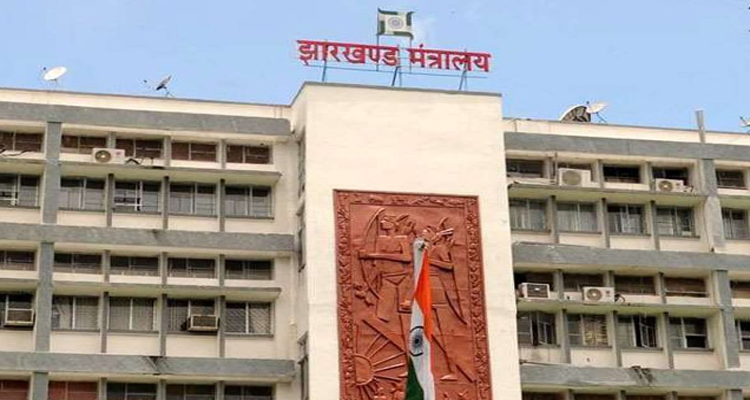
Ranchi: In a significant move affecting governance in tribal regions, the Jharkhand Cabinet on Tuesday approved the Panchayat Provisions (Extension to Scheduled Areas) Jharkhand Rules, 2025, finally putting in place a long-delayed legal framework mandated for Scheduled Areas.
The decision carries added weight as the Jharkhand High Court had recently stalled the auction of sand ghats in Scheduled Areas and cautioned the state government against taking mineral-related decisions without operationalising PESA, warning of possible contempt proceedings.
The Cabinet meeting was chaired by Hemant Soren, whose government had repeatedly informed the court that the PESA rules were in the final stages of preparation.
With the Cabinet’s clearance, the rules governing the Panchayat Provisions (Extension to Scheduled Areas) Act now formally enter Jharkhand’s statute framework, with wide-ranging implications for administration in tribal belts.
PESA empowers Gram Sabhas in Scheduled Areas with decisive authority over land acquisition, minor forest produce, water bodies, village markets and local development projects. While these rights have existed in law for years, the absence of state-specific rules had weakened their implementation on the ground.
The newly approved rules lay down procedures for Gram Sabha consent, consultation and oversight—key pillars of tribal self-governance envisioned under the Constitution.
However, officials acknowledge that the real impact of the decision will depend on effective implementation. How swiftly and sincerely the rules are operationalised at the district, block and village levels will determine whether PESA translates into genuine grassroots empowerment or remains largely on paper.
The Cabinet’s move is being seen as a critical step toward aligning governance in Jharkhand’s Scheduled Areas with constitutional intent, amid increasing judicial scrutiny and rising demands for tribal autonomy and accountability.