Cheaper Medicines, Costlier Alcohol & Trading
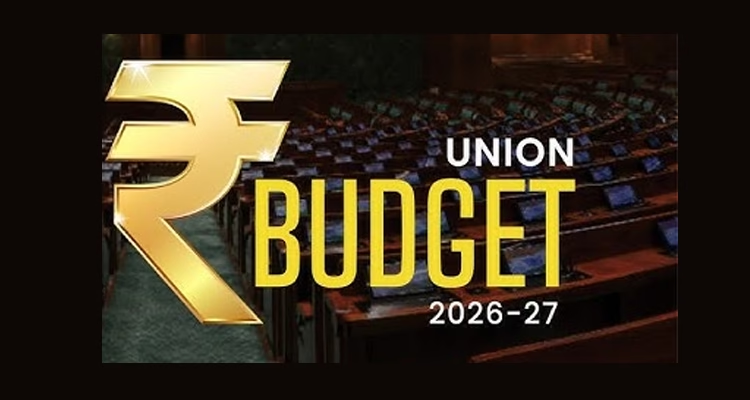
News Desk: The Union Budget 2026 has delivered a carefully balanced but clearly directional roadmap for the Indian economy. While the government has offered significant relief on life-saving medicines, batteries, personal imports and green-energy inputs, it has simultaneously raised taxes on alcohol, tobacco, stock market trading and corporate buybacks.
The Budget’s underlying message is unmistakable: promote domestic manufacturing, make healthcare affordable, support green transition, and discourage harmful or speculative consumption.
Below is a comprehensive breakdown of what will now cost less — and what will cost more.
🔻 What Became Cheaper?
(Items and services offering direct or long-term relief)
1. Life-Saving Medicines & Health Products
The government has reduced or removed customs duty on essential drugs, including:
- 17 cancer medicines
- Insulin and diabetes drugs
- Rare-disease treatments
This will significantly lower treatment costs and make advanced therapies more accessible across India.
2. Shoes & Batteries
Customs duty has been waived on:
- Footwear
- Batteries
Additionally, duty on raw materials used in battery manufacturing has been reduced, which will lower prices of:
- Electric vehicle batteries
- Power backups and inverters
- Mobile and laptop batteries
- Solar and energy-storage systems
This move also supports India’s clean-energy push.
3. Personal Imported Goods
The tariff on foreign goods imported for personal use has been cut from 20% to 10%.
This will reduce the cost of:
- Smartphones and gadgets ordered online
- Watches, accessories and small electronics
- Household tech products
4. Aircraft & Defence Equipment Parts
Customs duty has been waived on aircraft parts for defence and aviation use.
This will:
- Lower maintenance costs
- Reduce aviation operating expenses
- Support domestic defence manufacturing
5. Electronics & Semiconductor Components
Higher allocation for domestic chip and electronics manufacturing will:
- Reduce import dependence
- Lower production costs
- Make phones, laptops and appliances cheaper over time
6. Green Fuel & CNG Blends
Excise duty has been removed on the biogas portion of blended CNG, reducing effective fuel cost and promoting cleaner transport.
🔺 What Became Costlier?
(Items that will burden your wallet)
1. Tobacco, Cigarettes & Pan Masala
Higher excise duties and health levies will push up prices of:
- Cigarettes
- Chewing tobacco
- Pan masala products
2. Alcohol
Increased taxes on liquor will make beer, wine and spirits more expensive.
3. Stock Market Trading
The Securities Transaction Tax (STT) has been raised:
| Segment | Old Rate | New Rate |
|---|---|---|
| Futures | 0.02% | 0.05% |
| Options | 0.10% | Up to 0.15% |
This will increase trading costs, especially for frequent traders.
4. Company Share Buybacks
Capital gains tax will now apply to all shareholders on buybacks, adding a new tax burden for investors.
5. Gold & Silver
No major import duty reduction was announced, meaning jewellery and bullion will remain costly.
6. Select Imported Luxury & High-End Electronics
Finished high-end imported products, including premium laptops and luxury goods, may become costlier as the government encourages local manufacturing.
Experts’ View & Market Response
Economists have described the Budget as growth-focused yet fiscally cautious.
Key positives:
- Boost to healthcare
- Manufacturing incentives
- Infrastructure expansion
However, the opposition has criticised the higher indirect taxes and investor levies, calling them a burden on the middle class.
Stock markets reacted with mixed signals:
-
Pharma, EV and electronics stocks gained
-
Tobacco, alcohol and trading firms faced pressure
Conclusion
The Union Budget 2026 sends a strong signal:
Essentials, healthcare, clean energy and manufacturing get relief — while luxury, speculation and harmful consumption face higher taxes.
For ordinary citizens, this means lower medical and technology costs — but higher expenses on alcohol, tobacco, trading and precious metals.