
 Dr. Vinod Chandrashekhar Dixit
Isn’t it alarming that hunting and killing animals has increasingly become a form of recreation? While society rightly condemns the killing of humans, the wiping out of entire species often receives far less attention. It is time to rethink our priorities and recognize the value of preserving life on Earth. Should we not be protecting these magnificent creatures instead of pushing them to the brink of extinction?
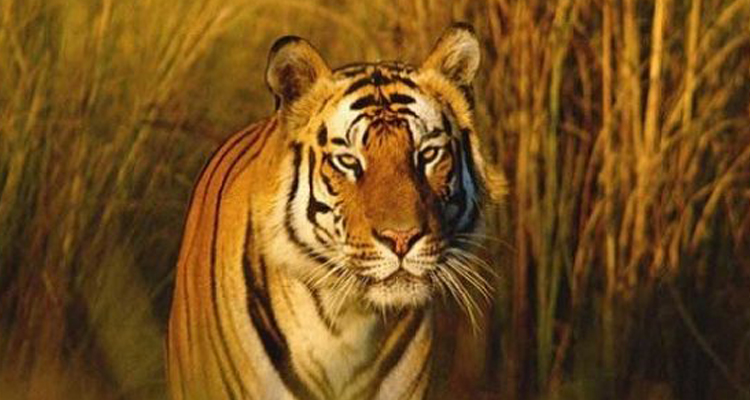
India is unique in hosting a significant population of wild tigers despite growing demographic pressures and increasing resource extraction from their habitats. Tigers are a treasured part of India’s heritage, celebrated in the Vedas, Puranas and other classical literature for their unmatched strength and beauty.
According to the latest All India Tiger Estimation (2022), India’s tiger population stands at 3,682, accounting for nearly 70% of the world’s wild tigers. This marks a remarkable rise from 1,411 tigers in 2006, largely due to sustained conservation efforts such as Project Tiger. The upcoming 2026 census is expected to record a further increase, with some estimates suggesting a 10–15% growth.
State-wise, Madhya Pradesh leads with 785 tigers, followed by Karnataka (563) and Uttarakhand (560). Conducted every four years, the tiger census involves more than 60,000 forest personnel and uses advanced tools such as camera traps and satellite imaging. The 2026 exercise is also expected to include areas beyond traditional forest habitats — including agricultural landscapes and human settlements — to provide a more comprehensive population picture.
However, the encouraging rise in numbers masks serious and persistent threats. Tigers in India continue to face habitat loss, poaching and increasing human–wildlife conflict. Rapid deforestation, urban expansion and agricultural growth have significantly reduced forest cover; India reportedly lost over 668,000 hectares of forestland between 2015 and 2023. Illegal wildlife trade remains another grave danger, as every part of the tiger’s body has value in black markets.
Human–tiger encounters are also rising as shrinking habitats push big cats into human-dominated landscapes, often resulting in casualties on both sides. Official data shows tiger deaths rose to 127 in 2021, up from 106 in 2020 and 96 in 2019 — the highest annual toll in a decade, surpassing the previous peak of 121 deaths in 2016.
In the wild, the average lifespan of a tiger is about 10–12 years. Natural causes such as old age, disease, territorial fights, electrocution, snaring, drowning and accidents involving roads and railways account for many deaths. High infant mortality among big cats further compounds the challenge.
There are also regional concerns. Reports indicate declines in parts of Telangana and Andhra Pradesh. Forest degradation — including destruction of forest cover in insurgency-affected areas — may be contributing to localized stress on wildlife habitats. Tiger and other wildlife deaths have also been reported from Andhra Pradesh, Assam, Kerala, Karnataka and Uttarakhand.
To be sure, several national and international agencies — including the World Wide Fund for Nature (WWF) — have played commendable roles in wildlife protection. Public awareness initiatives such as the “Save Tiger” campaign by Aircel and NDTV have also helped bring the issue into the national consciousness.
Yet, much more needs to be done. Tigers are not merely charismatic animals; they are apex predators essential for maintaining forest biodiversity, ecological balance and even the livelihoods of rural communities. Their survival is directly linked to the health of India’s ecosystems.
We must remember that humans are part of the same biological continuum as other mammals. Our survival, too, depends on a balanced natural world. Protecting the national animal has been one of India’s notable conservation achievements so far, but complacency now could undo decades of progress.
Stronger anti-poaching measures, improved habitat protection and innovative solutions to reduce human–wildlife conflict are urgently needed. The idea of a dedicated Tiger Commando Force deserves serious consideration to combat organized poaching networks.
If timely and sustained action is not taken, the future of India’s national animal — and the ecological balance it supports — may once again come under severe threat. The choice before us is clear: act decisively now, or risk losing one of the most magnificent symbols of India’s natural heritage.