
 Dr. Vinod Chandrashekhar Dixit
March 20 is observed as the International Day of Happiness, recognizing the importance of happiness in the lives of people around the world. As French novelist Albert Camus rightly said, “You will never be happy if you continue to search for what happiness consists of. You will never live if you are looking for the meaning of life.”
Happiness can be understood as a state of contentment and satisfaction. Finding true happiness is a worthy goal, yet it remains one of the most difficult aspects of life to define or measure. How do we quantify happiness? What truly defines it?
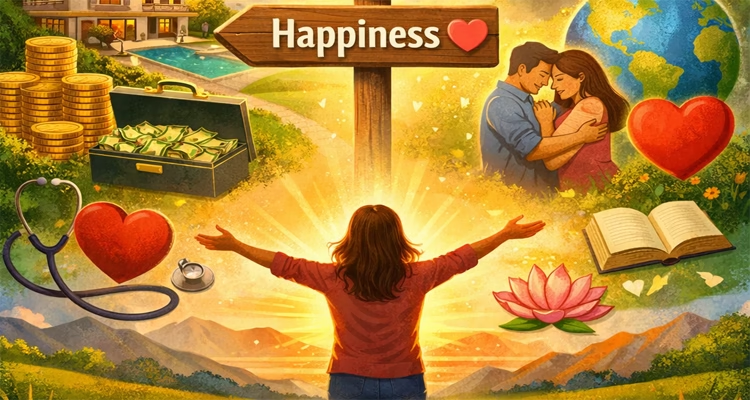
A person may possess a luxurious lifestyle and fulfill all social needs, yet still feel unhappy. There exists a common myth that wealth alone can guarantee happiness and satisfaction. However, money can only provide comfort—not lasting happiness. As Abraham Lincoln once said, “You are as happy as you make up your mind to be.” Happiness, therefore, is largely a matter of choice. We can choose to be either sad or happy.
Happiness is something that cannot be fully described in words—it is best expressed through a genuine smile. The Oxford English Dictionary defines happiness simply as “the state of being happy.” In essence, it is an indicator of a good and fulfilling life. While money can buy food, a luxurious home, healthcare, and many conveniences, it cannot buy true happiness.
The International Day of Happiness also highlights the need for a more inclusive, equitable, and balanced approach to economic growth—one that promotes sustainable development, poverty eradication, and the well-being of all people. Each individual defines happiness in their own way, yet its importance in leading a healthy and prosperous life remains universal.
Happiness often stems from positive thinking. It plays a crucial role in shaping our lives and influences how we respond to everyday challenges. For some, happiness may mean good health; for others, it may be love, peace, or spiritual fulfillment. Some people view happiness as fleeting, while others see it as a continuous state of mind.
In today’s world, technological advancements have made life easier, more comfortable, and more luxurious. Yet, despite these conveniences, happiness cannot be bought or achieved through shortcuts. It is something that comes from within.
Everyone desires happiness, but many feel unhappy due to life’s challenges and problems. True happiness cannot be achieved without gaining control over one’s thoughts, as it is easy to be overwhelmed by negative emotions.
Ultimately, happiness is a state of mind. While life presents countless challenges, focusing on positive aspects can help us experience joy and fulfillment. Happiness does not occur by chance—it must be cultivated, nurtured, and built over time.
It can also be found in meaningful relationships where mutual respect and understanding prevail. To achieve happiness, we must learn to manage negative thoughts and approach life with optimism. Most importantly, we must remember that happiness is attainable—because everyone deserves to be happy.