Dr. Vinod Chandrashekhar Dixit
PM Narendra Modi outlines a strategic “Team India” approach to safeguard economic stability, energy security, and national interests amid the escalating West Asia conflict.
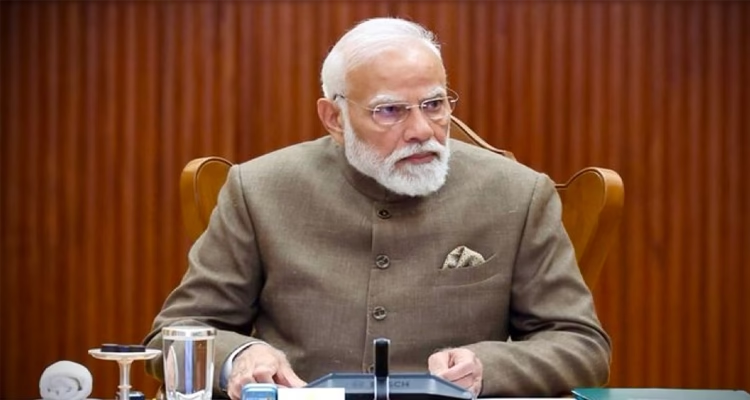
Prime Minister Narendra Modi recently interacted with Chief Ministers, emphasizing the importance of a “Team India” spirit to tackle challenges arising from the West Asia conflict. Recalling the collective response during the COVID-19 pandemic, he highlighted India’s strength in cooperation and coordination.
Through his message, the Prime Minister underscored the need to maintain economic stability and ensure the uninterrupted supply of essential goods. He stressed the importance of smooth supply chains, proper monitoring of fertilizer stocks, and strict action against hoarding and profiteering. These measures aim to ensure food security, control prices, and protect farmers’ welfare. By working together, states can help maintain stability and safeguard citizens’ interests, ultimately contributing to the nation’s overall development and prosperity.
The meeting focused on maintaining economic and trade stability, ensuring energy security, and protecting citizens’ interests. PM Modi emphasized vigilance, preparedness, and coordinated action, especially in border and coastal states, given the evolving nature of the West Asia conflict and its potential impact on India’s security and economy. India’s geographical proximity to conflict zones raises concerns about possible security threats, infiltration, and disruptions. Coastal states, being crucial for trade and energy imports, remain particularly vulnerable. Additionally, the conflict could lead to increased risks of terrorism or radicalization, requiring proactive measures.
In Parliament, PM Modi highlighted India’s proactive approach to managing the impact of the conflict on energy security. He assured that the government is working to ensure uninterrupted supplies of essential commodities such as petrol, diesel, oil, gas, and fertilizers. Over the past 11 years, India has diversified its energy imports from 27 to 41 countries, significantly reducing dependence on any single region and enhancing resilience against global disruptions.
The Prime Minister also emphasized the importance of accurate communication, urging citizens to rely on verified information and avoid rumors or misinformation that could create panic or disrupt social harmony. He called for a calm, united response during uncertain times.
Citizens, he noted, can contribute by staying informed through credible sources, verifying information before sharing it, avoiding speculation, and supporting government initiatives. Such collective responsibility will help ensure a stable and secure environment.
The government has also formed an informal group of ministers to monitor the impact of the West Asia conflict. Chief Ministers appreciated the Centre’s steps, including reducing excise duty on petrol and diesel and increasing the allocation of commercial LPG.
PM Modi’s interaction with Chief Ministers highlights the importance of unity and coordinated governance in navigating global challenges. His emphasis on a “Team India” approach reflects a broader strategy to ensure economic resilience, national security, and citizens’ welfare. As India faces evolving global uncertainties, collective vigilance, responsible communication, and coordinated action will be key to sustaining stability and long-term prosperity.