Tehran/Washington: Tensions in the Gulf have surged dramatically after coordinated strikes by the United States and Israel reportedly hit multiple sites across Iran, even as Tehran severed communication channels with Washington ahead of a high-stakes deadline set by US President Donald Trump.
Civilian sites hit, casualties rise
Iran’s Red Crescent claimed that at least 17 civilian locations were struck in fresh attacks, calling the strikes unjustified and warning they could amount to war crimes.
The escalation has pushed the death toll to at least 34 people, including children, amid widening strikes on infrastructure such as bridges, railways and power facilities.
Trump ups pressure ahead of deadline
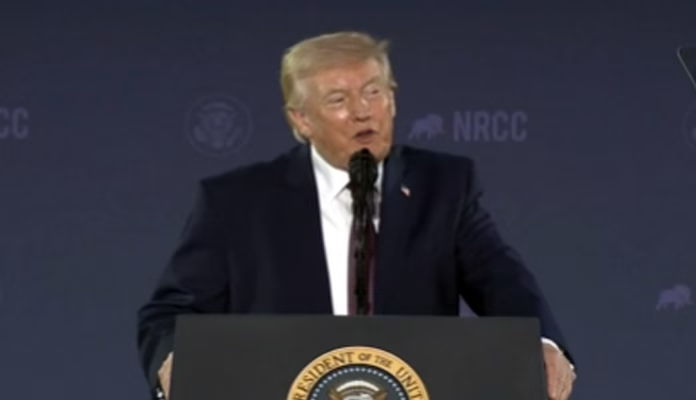
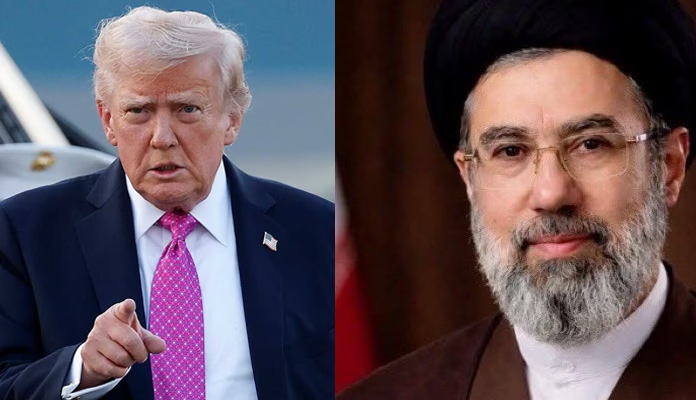
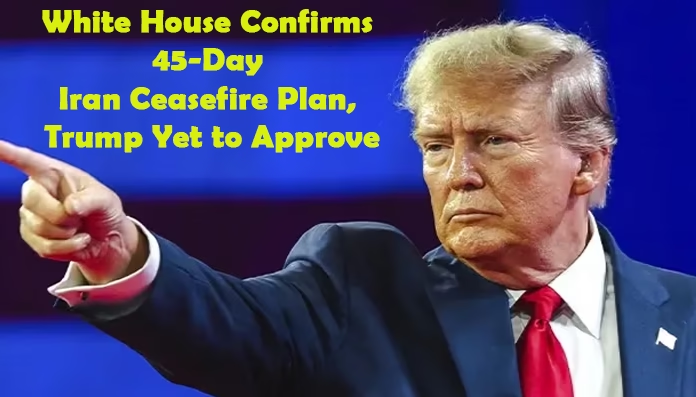
Amid the intensifying conflict, Trump said Iran’s response to a ceasefire proposal was “substantial” but ultimately “not good enough.”
Reiterating his ultimatum, he warned of severe consequences if Iran fails to reopen the Strait of Hormuz by the deadline, even threatening to target key infrastructure including power plants and bridges.
In a dramatic statement, Trump signalled the possibility of catastrophic escalation, heightening global concern.
Iran cuts off US communication
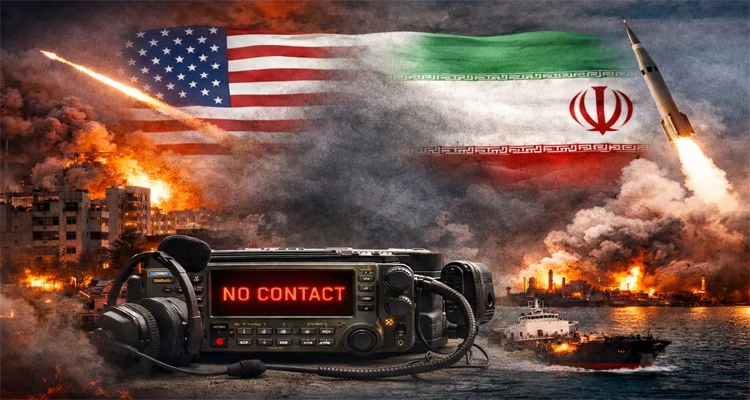
In a sharp escalation, Tehran has reportedly suspended all direct and indirect communication with the United States, effectively shutting down diplomatic backchannels.
The move comes just hours before the deadline, signalling a hardened stance and reducing the chances of any last-minute breakthrough.
Gulf region under fire
The conflict is rapidly spilling across the region. Iranian missile and drone strikes have hit multiple targets, including:
- A residential building in Haifa, killing several civilians
- Power and desalination facilities in Kuwait
- An oil installation in Bahrain
The widening theatre of conflict has raised fears of a prolonged regional war.
Kharg Island strike heightens stakes
Reports of fresh strikes on Kharg Island—Iran’s most critical oil export terminal—have added to the volatility.
The island, which handles the bulk of Iran’s crude exports, remains a strategic flashpoint, with any disruption carrying serious implications for global energy markets.
UN flags legal concerns
The office of António Guterres has reiterated that international law prohibits attacks on civilian infrastructure, warning that such actions could be unlawful even if linked to military objectives.
IRGC warns of wider retaliation
Iran’s powerful Islamic Revolutionary Guard Corps has issued a stark warning, declaring that restraint is over and threatening to target US and allied infrastructure across the Gulf.
The group signalled that oil and gas supplies across the region could face prolonged disruption if hostilities continue.
Region on edge
With diplomatic ties cut, military actions intensifying, and energy infrastructure increasingly under threat, the crisis around the Persian Gulf is entering a dangerous new phase.
As the deadline looms, the world watches anxiously, with fears growing that the confrontation could spiral into a full-scale regional conflict with global economic fallout.