
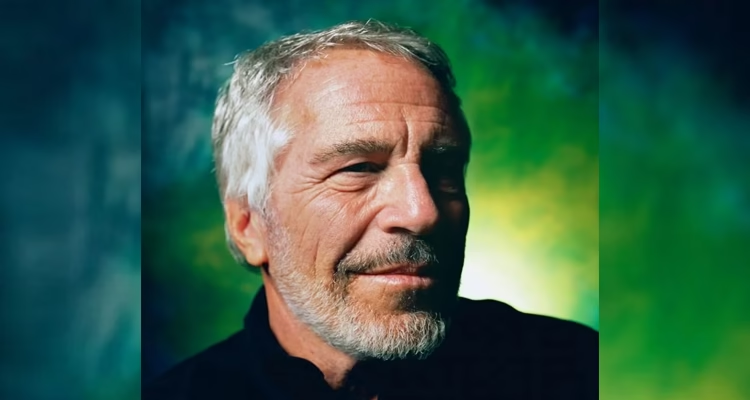
Jeffrey Epstein was an American financier whose life and death became one of the most controversial criminal sagas of the 21st century. Behind a carefully cultivated image of wealth, philanthropy, and elite connections lay a long pattern of sexual abuse allegations involving minors, stretching across multiple countries and properties. Epstein’s residences — spread from New York to the Caribbean — later became central to investigations, indictments, and civil lawsuits.
Who Was Jeffrey Epstein?
Born in Brooklyn in 1953, Epstein began his career as a schoolteacher before moving into finance in the late 1970s and 1980s. Despite limited public clarity about the exact nature of his financial operations, he amassed enormous wealth and influence, presenting himself as a money manager for billionaires, scientists, and global elites.
By the early 2000s, Epstein had built a powerful social network that included politicians, royalty, academics, and celebrities. This access, investigators later argued, helped shield him from scrutiny for years.


Major Residences and Properties
1. Manhattan Mansion, New York
Epstein owned a massive seven-storey townhouse at 9 East 71st Street on Manhattan’s Upper East Side — one of the largest private residences in the city. Federal prosecutors later identified this mansion as one of the locations where underage girls were allegedly recruited and sexually abused. The house drew attention for its size, secrecy, and unusual interior features discovered during searches.
2. Palm Beach Estate, Florida
His waterfront mansion on El Brillo Way, Palm Beach, purchased in 1990, was the epicentre of the first major criminal case against him. Local police investigations in the mid-2000s documented repeated allegations that minors were trafficked to the residence under the guise of “massages.”
In 2008, Epstein struck a controversial plea deal in Florida, serving a brief jail sentence with work-release privileges. The property was later sold and demolished.
3. Little Saint James & Great Saint James, US Virgin Islands
Epstein’s private Caribbean island, Little Saint James, became infamous worldwide. Often described in media as “Epstein Island,” it featured guest villas, airstrips, and strict privacy. Prosecutors and victims alleged that the island was used for trafficking and abuse of minors flown in from different locations.
A neighbouring island, Great Saint James, was acquired later, expanding his secluded domain in the Caribbean.
4. Zorro Ranch, New Mexico
Located near Stanley, New Mexico, Zorro Ranch was a sprawling desert property reportedly used for extended stays and private gatherings. It formed part of Epstein’s wider network of residences mentioned in court documents and victim testimonies.
5. Private Aircraft
Epstein also maintained private jets, most notably a Boeing 727 that became notorious in media investigations. Flight records later emerged as key evidence in mapping his movements and associations between properties.

ALSO READ- Epstein Files Unsealed: What the Records Reveal — and What They Still Hide
Criminal Cases and Death
Epstein’s legal troubles resurfaced dramatically in July 2019 when he was arrested in New York on federal sex-trafficking charges involving minors. Prosecutors alleged a coordinated system of recruitment, abuse, and intimidation spanning years and locations.
On August 10, 2019, Epstein was found dead in his cell at the Metropolitan Correctional Center in Manhattan while awaiting trial. His death was officially ruled a suicide, though it triggered global controversy, investigations into prison failures, and widespread public suspicion.
Aftermath and Continuing Impact
Following Epstein’s death, civil lawsuits continued against his estate. His longtime associate, Ghislaine Maxwell, was later convicted for her role in recruiting and grooming minors and sentenced to a lengthy prison term.
Epstein’s properties were sold or transferred as part of settlements with victims, while court filings and document releases continue to shed light on the scale of his operations and the institutional failures that allowed them to persist.
Jeffrey Epstein’s residences were not merely symbols of wealth — they became alleged crime scenes in one of the most disturbing abuse cases in modern history. Spread across elite global locations, these properties reflected both the reach of his power and the depth of systemic lapses that failed victims for decades. Even years after his death, Epstein’s name remains synonymous with unanswered questions, elite accountability, and justice delayed.


One Comment on “Jeffrey Epstein: Residences, Network, and the Trail of Allegations”