
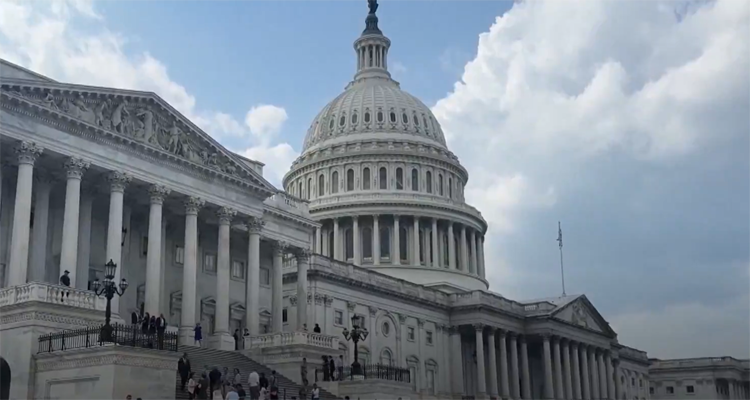
Washington: The United States federal government entered a partial shutdown early Saturday after the United States Congress failed to approve the 2026 budget before the midnight funding deadline, leaving several key departments without legal authority to spend.
The funding lapse took effect at 12:01 a.m. (ET), triggering a shutdown of non-essential federal services and forcing thousands of government workers into temporary furloughs. Essential operations such as national security, emergency services, and air traffic control will continue, but many agencies face disruptions.
🚨🏛️ US government enters partial shutdown
The Senate passed a spending deal, but the House is adjourned until Monday pic.twitter.com/umMHyv43aa
— Sputnik (@SputnikInt) January 31, 2026
Senate Passes, House Stalls
A bipartisan stopgap funding bill cleared the Senate late Friday, but the deal collapsed in the House, where sharp divisions over immigration policy blocked a final vote. With lawmakers not in session at the time of the deadline, no funding authority was in place when the clock ran out.
At the heart of the deadlock is a dispute over funding for the Department of Homeland Security. Democrats demanded stronger oversight and reforms tied to immigration enforcement, while many Republicans opposed attaching policy conditions to budget legislation.
Immigration Reforms Trigger Standoff
The standoff follows nationwide protests after the deaths of two demonstrators during immigration enforcement actions in Minneapolis. Democratic lawmakers insisted on accountability measures, including new restrictions and independent investigations, as a condition for approving DHS funds.
Republicans countered that such demands would weaken law enforcement agencies and delay urgently needed government operations.
White House Urges Swift Action
The White House urged Congress to move quickly to restore funding, warning that even a short shutdown could disrupt services, delay payments, and hurt federal employees and contractors.
Negotiators are now working on separating the DHS funding issue from the broader budget bill to allow a faster vote when the House reconvenes.
What Happens Next
Lawmakers are expected to bring a revised stopgap measure to the House floor early next week. If approved, the shutdown could end within days. If talks fail, the funding lapse could widen, affecting more agencies and public services.
Political analysts warn that even brief shutdowns damage public confidence and carry serious economic and operational consequences.
For now, the United States joins a growing list of governments grappling with budget paralysis — once again highlighting how political deadlock can quickly translate into national disruption.