Islamabad/Riyadh: In a significant geopolitical shift following the collapse of high-stakes talks between the United States and Iran, Pakistan has moved quickly to strengthen Saudi Arabia’s defence posture, signalling rising tensions across the Gulf region.
Pakistan’s Big Military Move
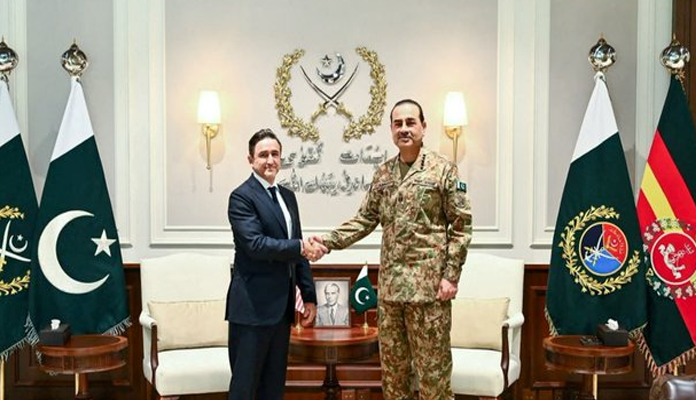
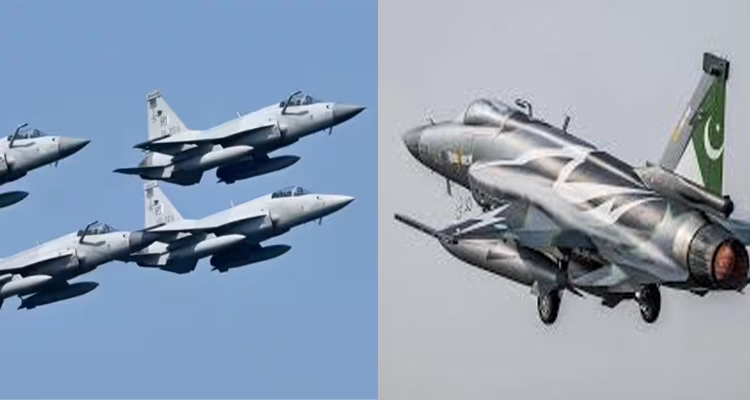
In a major show of strategic alignment, Pakistan has deployed a substantial military contingent to Saudi Arabia under a joint defence agreement signed last year. According to an official announcement from the Gulf kingdom on Saturday, the deployment includes approximately 13,000 Pakistani troops along with 10 to 18 fighter jets, now positioned at key military bases across the country.
Pakistan sends fighter jets to Saudi Arabia
Saudi-Pakistan defence pact moves into action
Pakistan military arrival in Saudi coincides with Iran-US talks @Mohammed11Saleh has more on this pic.twitter.com/e0EiOMATnl
— WION (@WIONews) April 11, 2026
The move is aimed at boosting joint operational readiness and enhancing bilateral defence cooperation at a time of escalating regional uncertainty. Officials described the deployment as part of a broader strategic framework designed to strengthen collective security and deter potential threats in the Gulf.
Pakistan has deployed fighter jets to Saudi Arabia, its first visible military move under a mutual defence pact between the two countries, as it hosts ceasefire talks aimed at ending the US-Israeli war on Iran. https://t.co/RilGsXLD6i
— Al Jazeera English (@AJEnglish) April 11, 2026
Talks Collapse, Tensions Rise
The development comes in the wake of failed negotiations between the United States and Iran, which ended without any breakthrough after prolonged discussions. Key sticking points included Iran’s nuclear programme, sanctions relief, and security dynamics in the Strait of Hormuz.
Both sides blamed each other for the deadlock—Washington accused Tehran of refusing to scale back its nuclear ambitions, while Iran said the US demands were unrealistic.
Signal to Region
Strategic observers view Pakistan’s deployment as a strong signal of support for Riyadh amid rising tensions with Tehran. The move is also being interpreted as part of a broader effort to maintain balance in a region increasingly marked by military posturing and fragile diplomacy.
What Next?
With negotiations stalled and military alignments becoming more visible, the situation in the Middle East remains fluid. Pakistan’s latest move underscores the growing complexity of regional alliances, even as global powers continue to push—unsuccessfully so far—for a diplomatic resolution.