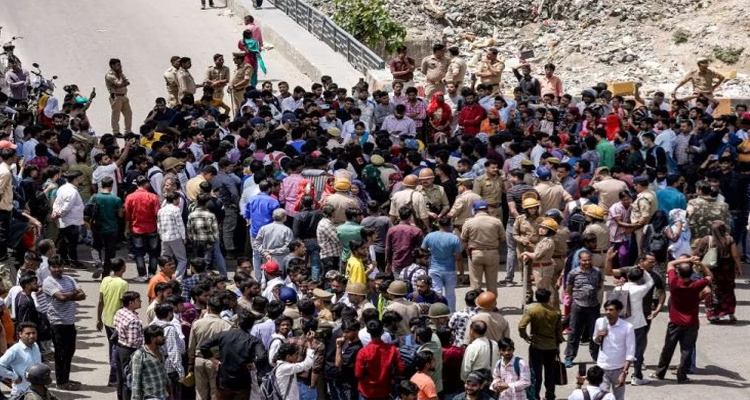
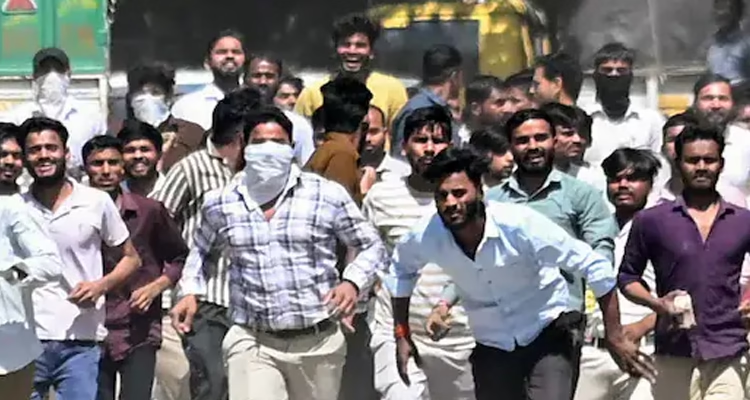
New Delhi: What initially appeared as a sudden eruption of worker anger in Noida is now being probed as a potentially well-coordinated mobilisation, with investigators uncovering a strong digital footprint behind the recent labour protests.
Authorities say the unrest, triggered by wage-related grievances in the industrial hub of Gautam Buddh Nagar, may have been orchestrated through a network of online platforms rather than being purely spontaneous.
Digital Platforms at the Core of Mobilisation
Police investigations suggest that multiple social media accounts and messaging groups were rapidly created just days before the protests. Platforms like WhatsApp and Instagram were allegedly used to circulate instructions, coordinate gatherings, and amplify participation.
According to Police Commissioner Laxmi Singh, around 400 individuals have been detained so far. Officials believe these digital channels functioned in a structured manner, with patterns resembling organised campaign operations.
Protests demanding wage hikes and fixed work hours turned violent in India’s industrial hub of Noida after factory workers torched vehicles and pelted stones, leading to a showdown with police. Read more: https://t.co/1TKaGWzYNO pic.twitter.com/EsrtEaUAAc
— Reuters (@Reuters) April 13, 2026
Audio Messages, Chat Groups Under Scanner
Investigators have flagged an audio clip circulated on WhatsApp that allegedly urged workers to assemble and confront law enforcement. Parallelly, an Instagram group chat—now under scrutiny—reportedly included messages advising participants to carry items like chilli powder during clashes.
While these digital materials form a key part of the probe, authorities caution that their authenticity is still being independently verified.
QR Codes Enabled Rapid Crowd Expansion
One of the most striking findings is the use of QR codes to scale mobilisation quickly. Organisers allegedly circulated QR codes that allowed instant entry into multiple WhatsApp groups, ensuring fast, coordinated communication while maintaining anonymity.