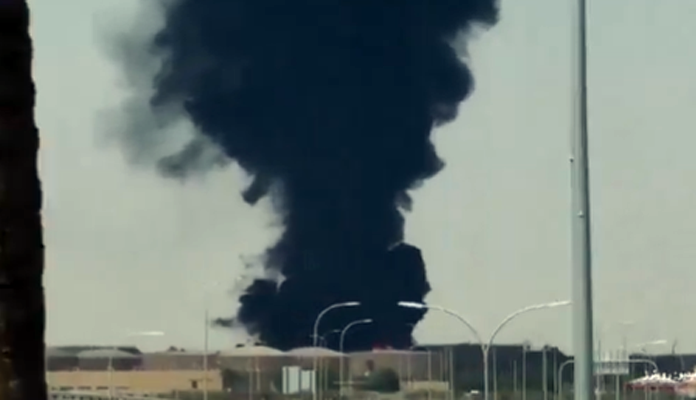
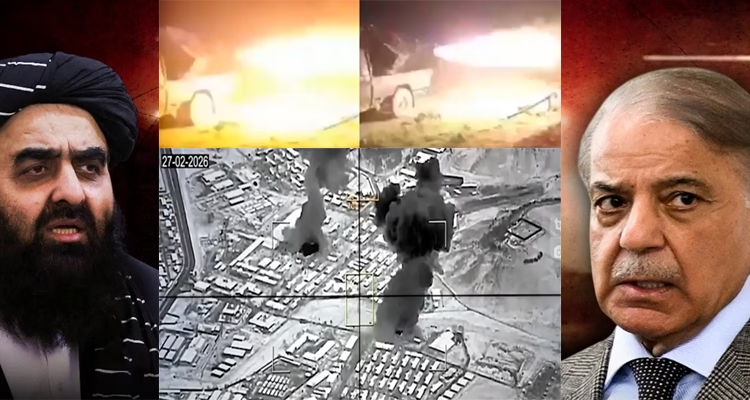
Islamabad/Kabul: Tensions between Pakistan and Afghanistan have spiralled into open confrontation after Pakistan launched airstrikes on Afghan territory, including areas near the capital Kabul, following deadly cross-border clashes.
The escalation began after Afghan forces reportedly attacked Pakistani border posts late Thursday, an action the Taliban administration described as retaliation for earlier Pakistani air raids. Within hours, explosions were heard in Kabul and other locations as Pakistan carried out what it called targeted military operations.
Pakistan’s Prime Minister Shehbaz Sharif said the country was fully prepared to counter any “aggressive ambitions,” asserting that the nation stands united behind its armed forces. Senior defence officials described the unfolding situation as an “open war,” signalling one of the most serious military flare-ups between the neighbours in years.
Pakistan bombs Taliban targets in Afghan cities, minister calls it ‘open war’ https://t.co/XxgtRvDBPX pic.twitter.com/YP1Fsgos3B
— New York Post (@nypost) February 27, 2026
Airstrikes and Retaliation
Earlier this week, Pakistani fighter jets struck targets in eastern Afghan provinces, including Nangarhar Province and Paktika Province. Islamabad claimed the strikes were aimed at hideouts of the Tehreek-e-Taliban Pakistan and fighters linked to Islamic State – Khorasan Province, groups it accuses of orchestrating attacks inside Pakistan.
Afghan authorities condemned the operations as violations of sovereignty and vowed a firm response. Heavy exchanges of gunfire and artillery were reported across multiple sectors of the disputed Durand Line, further inflaming tensions along the volatile frontier.
Rising Regional Concerns
Casualty figures remain contested, with both sides claiming significant losses inflicted on the other. Civilians living near border regions have reportedly fled amid fears of broader escalation.
The latest hostilities mark a sharp deterioration in relations that have been strained for months over security concerns and cross-border militancy. With both governments hardening their positions, the crisis risks destabilising an already fragile region unless urgent diplomatic efforts intervene.