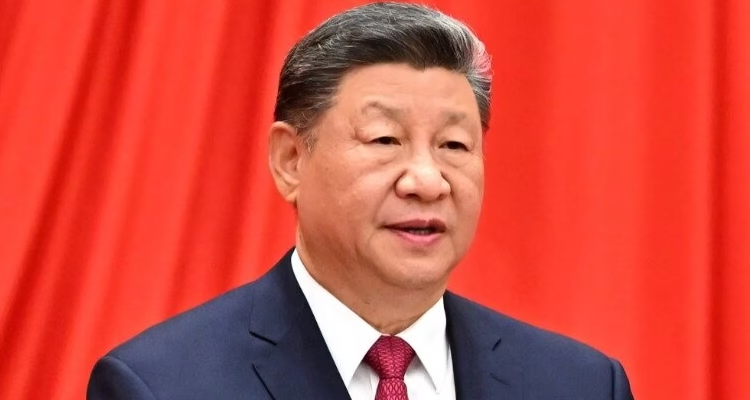
News Desk: In a strategic diplomatic intervention, Chinese President Xi Jinping has proposed a “4-Point” peace plan to stabilise the Middle East, even as tensions intensify between United States and Iran.
The proposal was outlined during Xi’s meeting with Abu Dhabi Crown Prince Sheikh Khaled bin Mohamed bin Zayed Al Nahyan, reflecting Beijing’s increasing diplomatic engagement in a region on edge.
‘4-Point’ Push for Peace and Stability
The first pillar of Xi’s “4-Point” plan emphasises peaceful coexistence among Middle Eastern and Gulf nations. He urged countries to strengthen ties and cooperation to build a sustainable and inclusive regional security framework.
The second point focuses on strict respect for sovereignty and territorial integrity. Xi warned that any violation of national borders or security could further inflame instability in the region.
President Xi Jinping has proposed a four-point plan to bolster Middle East peace, emphasizing respect for the sovereignty and security of Gulf nations through international law and coordinated regional development. #ChinaDiplomacy #MiddleEastStability #XiJinping pic.twitter.com/hNZEj52lCy
— Muscat Daily (@muscat_daily) April 14, 2026
Backing UN-Centric Global Order
As the third component of the “4-Point” proposal, Xi called for safeguarding the global order led by the United Nations. He cautioned against unilateral actions that risk pushing the world towards disorder, in an apparent critique of recent geopolitical moves.
Development and Security Go Together
The fourth point highlights the need to align economic development with security priorities. China, Xi said, is willing to share its development experience to support long-term stability and growth in the Middle East.
China Targets US Over Iran Policy
At the same time, Beijing lashed out at Washington’s reported actions around Iranian maritime routes, terming them “dangerous and irresponsible.” China reiterated its intent to act as a “constructive force” in promoting peace.
Hormuz Tensions Escalate
The situation remains volatile near the Strait of Hormuz, where Iran has reportedly imposed selective restrictions on vessel movement amid stalled nuclear negotiations.
US President Donald Trump has warned of action against ships linked to Iran and threatened a steep 50% tariff on Chinese goods if Beijing provides military support to Tehran.
China has rejected these claims, calling them baseless and warning of countermeasures if trade restrictions are imposed.
Talks Still on the Table
Despite the rising friction, diplomatic engagement appears to be continuing. Trump is expected to visit Beijing next month for talks with Xi, signalling that both sides are keeping communication channels open.
Bottom Line: With its “4-Point” peace roadmap, China is stepping up as a potential mediator in the Middle East crisis—balancing diplomacy with sharp criticism of US actions, as global tensions continue to mount.