

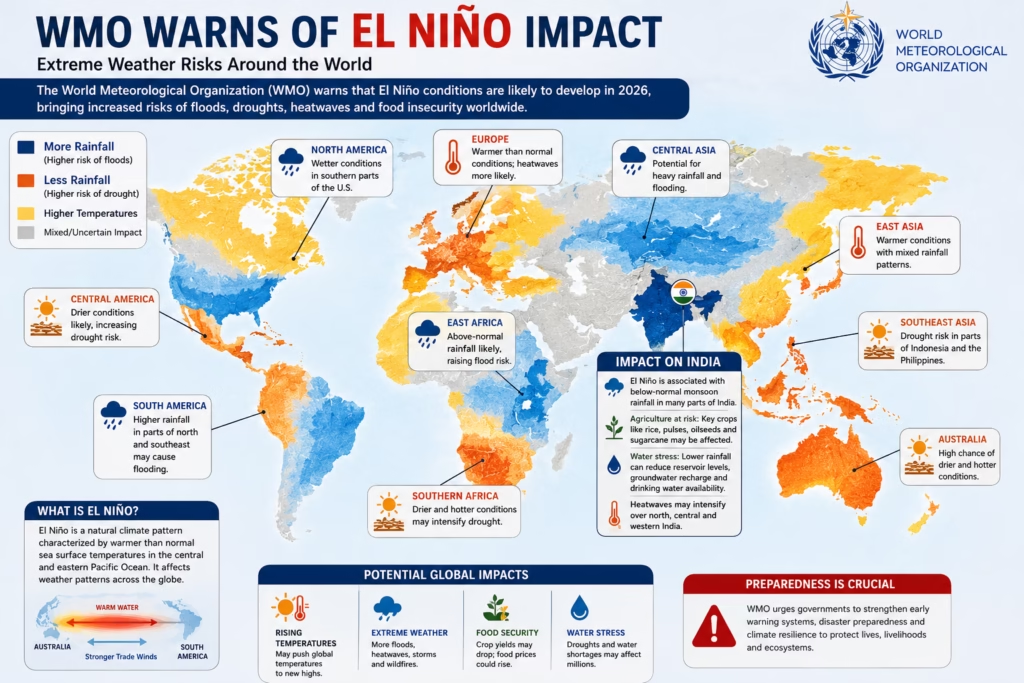
Geneva/New Delhi: The World Meteorological Organization (WMO) has issued a global warning over the likely return of the El Niño climate phenomenon, cautioning that it could trigger extreme weather events, intensify global warming, disrupt rainfall patterns, and threaten food and water security across several parts of the world.
According to the latest forecasts released by the UN weather agency, there is a strong likelihood that El Niño conditions will develop during 2026 and strengthen in the latter half of the year. Scientists warn that the phenomenon, combined with human-induced climate change, could lead to record-breaking temperatures and a surge in weather-related disasters worldwide.
What is El Niño?
El Niño is a naturally occurring climate pattern characterized by unusually warm sea-surface temperatures in the central and eastern Pacific Ocean. It is part of the El Niño-Southern Oscillation (ENSO) cycle, which influences weather patterns across the globe every two to seven years.
Although El Niño is a natural phenomenon, climate experts say its effects are becoming more intense due to global warming. The last major El Niño event contributed significantly to record global temperatures and extreme weather conditions witnessed across many countries.
Watch @UN Secretary-General @antonioguterres‘ message about the emerging El Niño that is set to influence global temperature and rainfall patterns, increasing the risk of extreme weather in the coming months.
More information ➡️ https://t.co/htyps0XfsE pic.twitter.com/ZZd5FnvqPO
— World Meteorological Organization (@WMO) June 2, 2026
Global Temperatures Could Reach New Highs
The WMO has warned that the anticipated El Niño event is likely to push global temperatures further upward. Scientists believe that the combination of a warming planet and a moderate-to-strong El Niño could make the coming years among the hottest ever recorded.
Higher temperatures are expected to increase the frequency and intensity of heatwaves, placing additional pressure on public health systems, energy supplies, water resources, and ecosystems. Vulnerable communities, particularly in developing countries, are expected to bear the brunt of these impacts.
Extreme Weather Threats Across the World
El Niño typically alters global rainfall patterns, leading to floods in some regions and droughts in others.
Countries in parts of South America, East Africa, Central Asia, and the southern United States may experience above-normal rainfall, increasing the risks of floods, landslides, and infrastructure damage. On the other hand, Australia, Indonesia, southern Africa, and parts of Central America are likely to face drier-than-normal conditions and prolonged droughts.
The WMO has cautioned that these weather extremes could affect agriculture, drinking water supplies, power generation, and economic activities in several regions.
Food Security and Water Challenges
The United Nations has expressed concern that El Niño-induced weather disruptions could worsen existing food security challenges around the world. Droughts, excessive rainfall, heat stress, and changing weather patterns can reduce crop yields, damage livestock, and increase food prices.
Water shortages are also expected to become more severe in drought-prone regions, potentially affecting millions of people dependent on rainfall for agriculture and daily needs.
India Faces Monsoon Concerns
For India, the possible return of El Niño has raised concerns over the performance of the southwest monsoon, which remains critical for the country’s agriculture and economy.
Historically, several El Niño years have been associated with below-normal monsoon rainfall, prolonged dry spells, and higher temperatures across the Indian subcontinent. Climate experts warn that if El Niño strengthens during the monsoon season, it could adversely affect rainfall distribution in many parts of the country.
A weak monsoon can have far-reaching consequences, particularly for India’s agricultural sector, where nearly half of the cultivated land still depends on rain-fed irrigation. Crops such as rice, pulses, oilseeds, sugarcane, and coarse cereals could face moisture stress if rainfall remains deficient.
Impact on Agriculture and Rural Economy
Agriculture contributes significantly to India’s economy and supports the livelihoods of millions of farmers. A deficient monsoon could lead to lower crop production, reduced farm incomes, and increased pressure on rural households.
Experts warn that any substantial decline in agricultural output may push up food prices, contribute to inflation, and affect overall economic growth. The impact could be particularly severe in drought-prone states that rely heavily on seasonal rainfall.
Heatwaves and Water Stress
Apart from rainfall concerns, El Niño is also associated with above-normal temperatures across large parts of India. Northern, central, and western regions may witness more intense and prolonged heatwaves, increasing health risks, especially among vulnerable populations.
Reduced rainfall could also affect reservoir levels, groundwater recharge, and drinking water supplies. Several states may face challenges in managing water resources for domestic use, irrigation, and industrial requirements.
Government Preparedness Measures
Recognizing the potential risks, disaster management agencies and state governments have begun monitoring climate developments closely. Authorities are expected to strengthen drought preparedness plans, improve water conservation efforts, and support farmers through contingency measures if rainfall deficiencies emerge during the monsoon season.
Meteorologists emphasize that while El Niño is an important factor influencing India’s monsoon, it is not the sole determinant. Conditions in the Indian Ocean, regional atmospheric circulation, and other climate variables will also play a crucial role in shaping the final monsoon outcome.
WMO Calls for Global Preparedness
The WMO has urged governments worldwide to strengthen early warning systems, disaster preparedness mechanisms, and climate adaptation strategies to reduce the impact of extreme weather events.
Climate scientists stress that as global temperatures continue to rise, El Niño events are likely to produce more severe consequences than in the past. The combination of a warming climate and a strong El Niño could create a dangerous mix of heatwaves, droughts, floods, food insecurity, and water shortages across the world.
With millions of people potentially at risk, the WMO’s latest warning serves as a reminder of the growing urgency to enhance climate resilience and accelerate efforts to address the challenges posed by a rapidly changing planet.