Giridih, Karma Coal Mines Selected for Jharkhand’s Post-Mining Repurposing Plan
by Ashis Sinha
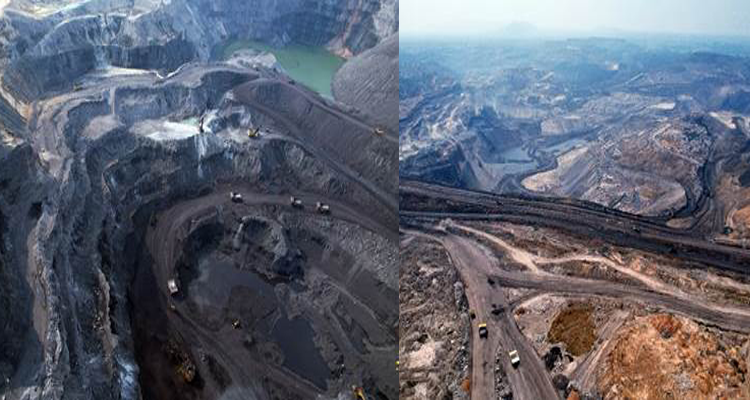
Ranchi: Jharkhand is preparing to give its exhausted coal mines a new economic lease of life, with closed mining areas potentially being transformed into hubs for renewable energy, agriculture, horticulture, fisheries, tourism and skill development.
The Giridih Open Cast Project (OCP) and Karma OCP in Ramgarh district have been selected as pilot sites for a post-mining repurposing programme. The state will recommend both projects to the Centre under the Technical Cooperation on To-be-Closed Coal Mines (TCCM) initiative, jointly involving the Union Ministry of Coal and German development agency GIZ.
The initiative aims to move beyond conventional mine closure by preparing a comprehensive Mine Closure and Repurposing Plan. The plan will assess how mined land, mine infrastructure, water bodies and surrounding ecosystems can be restored and productively reused after coal production ends.
From Coal Pits to Livelihood Hubs
Potential redevelopment options include solar and other renewable-energy projects, farming, horticulture, fisheries, tourism facilities and skill-development centres. The broader objective is to ensure that mining-affected regions do not lose their economic momentum once coal extraction stops, while generating new employment and livelihood opportunities for local communities.
At Karma OCP, authorities are assessing eight villages within a five-kilometre radius—Sugia, Marar, Bongabar, Karma, Kaitha, Kander, Lodhma and Panki. Their socio-economic conditions, vulnerable groups and potential livelihood opportunities are being studied as part of the pilot exercise.
A Mine Closure Advisory Committee has also been constituted to strengthen community participation and coordination among stakeholders.
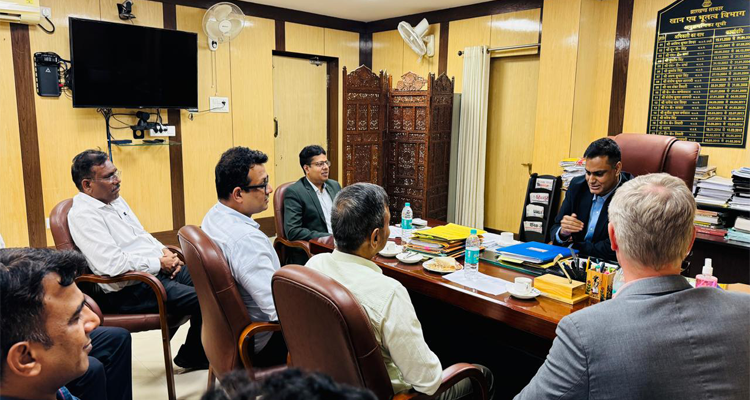
Officials from the Jharkhand Mines and Geology Department, GIZ, Coal Controller Organization, Central Coalfields Limited (CCL) and CMPDI participated in the high-level meeting in Ranchi. A detailed DPR will examine environmental restoration, alternative land use, mine-void and water management, infrastructure reuse and the feasibility of renewable-energy and other investment projects.
The state government sees the initiative as a major shift in the approach to mine closure—from simply shutting down exhausted mines to converting them into productive assets. If the pilot succeeds, the model could pave the way for similar redevelopment of coal mines nearing closure across India.
The TCCM project is scheduled to continue until March 2030, with its findings expected to provide a roadmap for sustainable post-mining development in other coal-producing regions.