Modi-Xi BRICS Meet: Modi links progress in ties to border peace; Xi calls for parallel movement on the boundary dispute and broader relationship
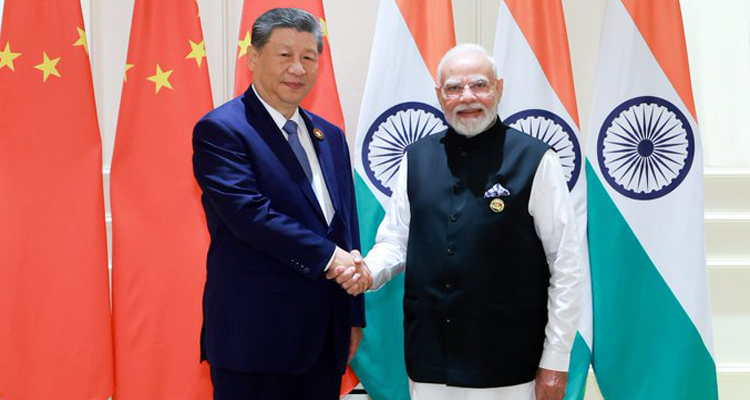
The warm visuals of Indian Prime Minister Narendra Modi and Chinese President Xi Jinping at the BRICS Summit suggested a thaw in ties. Their statements, however, exposed a fundamental difference. Xi called for India and China to advance their broader relationship while addressing the boundary question in parallel. Modi, in contrast, stressed that peace and tranquillity along the border remain the essential basis for developing bilateral ties. The divergence underscores the central challenge in the relationship: whether India-China ties can be normalised while the border remains a source of tension.
Border peace remains India’s priority
Modi reiterated New Delhi’s position that peace and tranquillity in the border areas are indispensable to sustained progress in bilateral relations. India also emphasised the need for both sides to honour existing agreements and understandings on border issues.
For New Delhi, this is more than diplomatic language. The 2020 military crisis in eastern Ladakh fundamentally altered India’s approach to China, making stability along the Line of Actual Control a key measure of the health of the broader relationship.
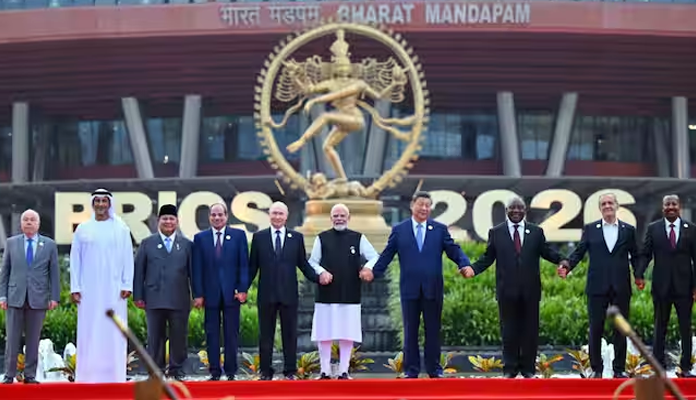
📸 BRICS 2026: The New Multipolar Power Frame
World leaders line up for the official family photo, signaling a massive geopolitical pivot.
Key attendees:
🇨🇳 Xi
🇷🇺 Putin
🇮🇳 Modi
🇮🇩 Prabowo
🇮🇷 Pezeshkian
🇪🇬 El-Sisi
🇻🇳 Le Minh Hung
🇿🇦 Ramaphosa
🇲🇾 Anwar Ibrahim#BRICS2026…— Inside the conflict (@InsidConflict) September 13, 2026
Beijing wants the two tracks separated
Xi’s message reflected a different approach. According to the Chinese readout, he argued that the two countries should work simultaneously on improving bilateral relations and resolving the boundary question and related border issues.
The distinction is important. Beijing appears willing to compartmentalise the border dispute, while New Delhi continues to see border stability as a prerequisite for deeper normalisation.
That difference could prove more consequential than the cordial imagery surrounding the leaders’ meeting.
A thaw, but not a reset
The meeting nevertheless signals an effort by both sides to move beyond the prolonged chill that followed the 2020 Ladakh crisis. Diplomatic and military channels have remained active, while discussions have resumed on trade, air connectivity and people-to-people exchanges.
Both countries have an interest in stabilising ties. India and China are major economic powers and key members of BRICS, while prolonged confrontation carries costs for both sides.
But renewed engagement does not mean the underlying strategic distrust has disappeared.
For India, the credibility of the thaw will depend heavily on developments along the LAC and on whether existing border agreements and understandings are respected.
The LAC remains the real test
The Modi-Xi meeting has reopened political space for dialogue, but the hardest questions remain unresolved.
China wants the wider relationship to move forward alongside negotiations over the boundary. India wants lasting peace and adherence to existing border arrangements to underpin that process.
The photographs may show a warmer relationship. The official statements show that the strategic gap remains.
The next phase of India-China ties will therefore be judged less by handshakes at summits and more by what happens on the ground along the border.
The thaw may be real. Whether it becomes a reset will depend on the LAC.