News Desk: A report published by The New York Times (NYT) was removed from its Pakistan print edition, setting off a fresh wave of concern over censorship, editorial control, and access to global journalism in the country.
Visible Omission Sparks Questions
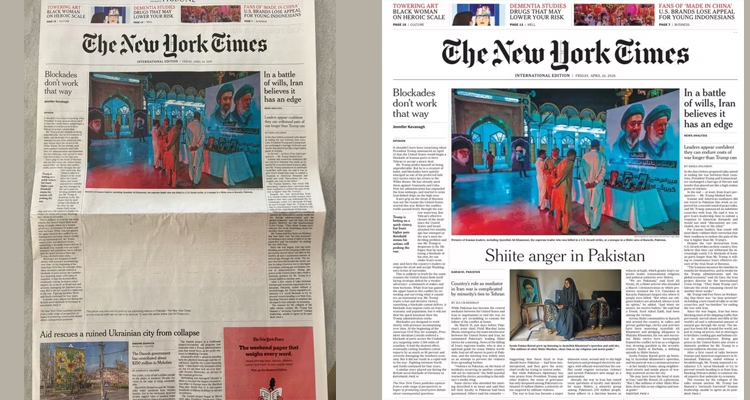
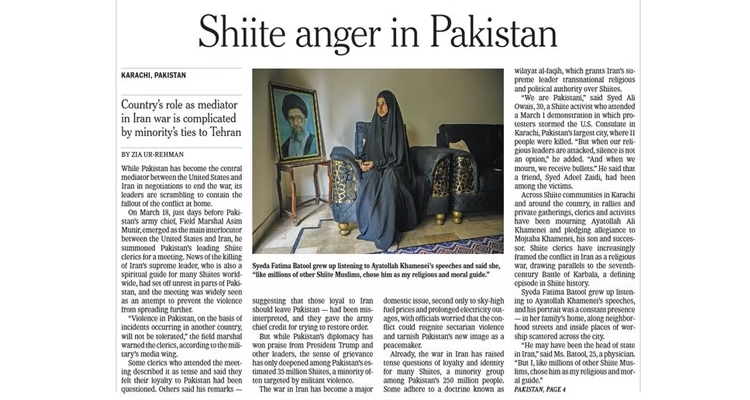
The article, which appeared in the newspaper’s international edition, reportedly explored rising unease within sections of Pakistan’s Shia community amid ongoing geopolitical tensions in West Asia. However, when the Pakistan edition went to print, readers encountered a conspicuous blank space where the report should have been.
Accompanying the omission was a brief note indicating that the article had been removed by the publication’s local partner. It further clarified that The New York Times editorial team had no involvement in the decision—an unusual disclaimer that has only deepened the controversy.
یہ آج پاکستان میں چھپنے والا نیویارک ٹائمز کا انٹرنیشنل ایڈیشن ہے، جس کے فرنٹ پیچ پر معتبر صحافی اور محقق @zalmayzia کی تحریر (پاکستانی عہدے دار، ایران جنگ پر، اندرون ملک بڑھتے ہوئے غصے کو قابو کرنے کی کوشش میں مصروف) کو وسیع تر قومی مفاد کے پیش نظر سنسر کر دیا گیا ہے۔ یاد رہے کہ… pic.twitter.com/ibUNBNWwSh
— Majid Nizami (@majidsnizami) April 24, 2026
Sensitive Terrain: Sectarian Faultlines
Media analysts point out that sectarian issues in Pakistan remain highly sensitive, often drawing heightened scrutiny from authorities. Reporting that touches upon internal religious dynamics or dissent is frequently seen as politically delicate, especially during periods of regional instability.
The removed article’s subject matter is believed to fall squarely within this sensitive zone, raising questions about whether preemptive editorial filtering is being exercised to avoid potential backlash or unrest.
Social Media Buzz Raises Red Flags
The incident quickly spilled onto social media platforms, where journalists, activists, and readers flagged the omission and questioned its implications. Images of the blank space circulated widely, with many calling it a stark visual symbol of censorship.
Users described the move as a “red flag” for press freedom, arguing that Pakistani readers were effectively denied access to the same information available to global audiences. The buzz online amplified scrutiny, turning what might have remained a quiet editorial decision into a widely debated issue.
This was the article that’s been removed. You can find it on NY Times’ website. pic.twitter.com/KS3ipSHaVA
— koisarux_ (@koisarux_) April 24, 2026
A Pattern of Selective Filtering?
This is not an isolated episode. Observers note that international publications have, on previous occasions, seen their content altered or withheld in Pakistan’s print ecosystem when dealing with sensitive themes—ranging from security issues to internal political dynamics.
Such recurring interventions point to a broader pattern where global reporting is selectively curated before reaching domestic readers, raising concerns about transparency and editorial independence.
Press Freedom Under Lens
While no official explanation has been issued by authorities, the episode has once again brought Pakistan’s media environment under scrutiny. Advocates of press freedom argue that visible censorship—especially of internationally published material—risks undermining public trust and limiting informed discourse.
As the blank column continues to circulate online, it has come to represent more than just a missing article. For many, it stands as a stark reminder of the ongoing tension between state sensitivities and the free flow of information.