Mumbai: Two crude oil tankers carrying nearly three million barrels of West Asian crude have reached India after successfully navigating the conflict-hit Strait of Hormuz, marking a rare movement through the strategic maritime corridor amid escalating tensions in the Middle East.
Shipping and maritime tracking data confirmed that the vessels crossed the narrow waterway connecting the Persian Gulf with the Arabian Sea before arriving at Indian ports.
BREAKING || Crude Tanker Reaches Mumbai Via Hormuz
A crude oil tanker has arrived at the Port of Mumbai after transiting the Strait of Hormuz, becoming the first vessel to navigate the tense waterway since the war began.@aakaaanksha with more details. pic.twitter.com/gUpXq2TAyI
— TIMES NOW (@TimesNow) March 12, 2026
Tanker Went ‘Dark’ While Crossing Strait
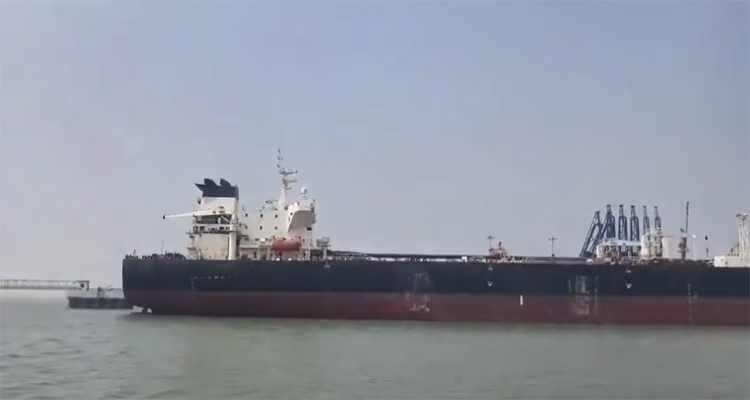
One of the vessels, the Liberia-flagged Suezmax tanker Shenlong, temporarily switched off its Automatic Identification System (AIS) while passing through the Strait of Hormuz — a tactic commonly referred to as “going dark”.
The AIS typically broadcasts a ship’s identity, location, speed and direction to other vessels and monitoring agencies. However, ships sometimes deactivate it briefly while navigating high-risk zones to reduce the chances of detection or potential targeting.
Tracking records showed the tanker’s signal disappeared while it was inside the strait before reappearing after it had safely exited the waterway. The vessel later docked at Mumbai Port.
Officials confirmed that the tanker delivered around 135,000 metric tonnes of crude oil and began unloading its cargo at the Jawahar Dweep Terminal shortly after arrival.
Saudi and Iraqi Crude Delivered
The Shenlong transported roughly one million barrels of Saudi crude oil to Mumbai. Another tanker, an India-flagged very large crude carrier carrying approximately two million barrels of Iraqi crude, also reached Mumbai and is expected to sail onward to Paradip for further discharge.
Industry sources indicated that both vessels likely crossed the Strait of Hormuz within the past five to six days, making them among the first non-Iranian crude carriers known to have transited the waterway since regional hostilities intensified late last month.
Diplomatic Efforts to Ensure Safe Passage
The arrival of the tankers comes amid diplomatic engagement between India and Iran aimed at ensuring safe passage for vessels carrying energy supplies.
Officials indicated that discussions between the two sides have focused on maritime safety and the uninterrupted flow of energy shipments to India.
Meanwhile, several oil and liquefied petroleum gas tankers remain stationed west of the Strait of Hormuz awaiting clearance or safer conditions to cross the strategic waterway.
Strait of Hormuz Under Heavy Strain
The Strait of Hormuz remains one of the world’s most critical energy chokepoints, handling nearly one-fifth of global petroleum consumption as well as a significant share of international liquefied natural gas trade.
Since the latest regional conflict erupted, shipping traffic through the strait has slowed considerably amid reports of attacks and damage to vessels during transit.
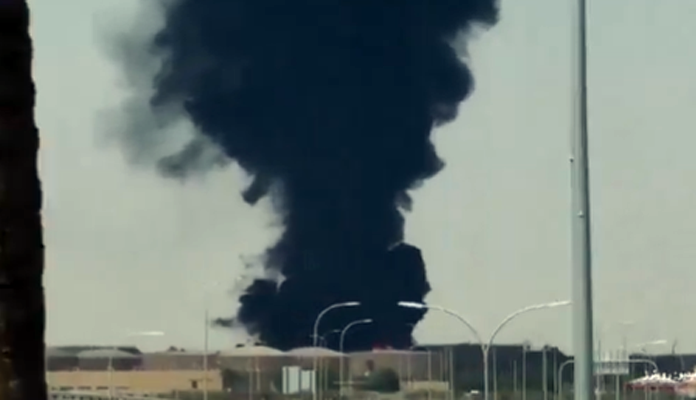
In one recent incident, a bulk carrier travelling from the United Arab Emirates toward India reportedly caught fire after being struck while crossing the strait, prompting rescue operations for its crew.
Concerns Over India’s Energy Security
The disruption has raised concerns about India’s energy supply chain. Nearly half of India’s crude oil imports — around 2.5 to 2.7 million barrels per day — typically pass through the Strait of Hormuz.
These imports mainly originate from Iraq, Saudi Arabia, the United Arab Emirates and Kuwait.
India maintains strategic reserves equivalent to roughly eight weeks of crude oil, petrol and diesel consumption. However, the situation is more sensitive for liquefied petroleum gas, as the country imports nearly 60 percent of its LPG demand, most of which usually travels through the strait.
With several LPG shipments delayed due to the ongoing conflict, authorities have prioritised household consumption while diverting supplies away from industrial and commercial use.
Energy analysts say that if additional oil and LPG cargoes currently waiting in the Persian Gulf reach Indian ports in the coming days, it could significantly ease supply concerns and stabilise the country’s energy logistics.